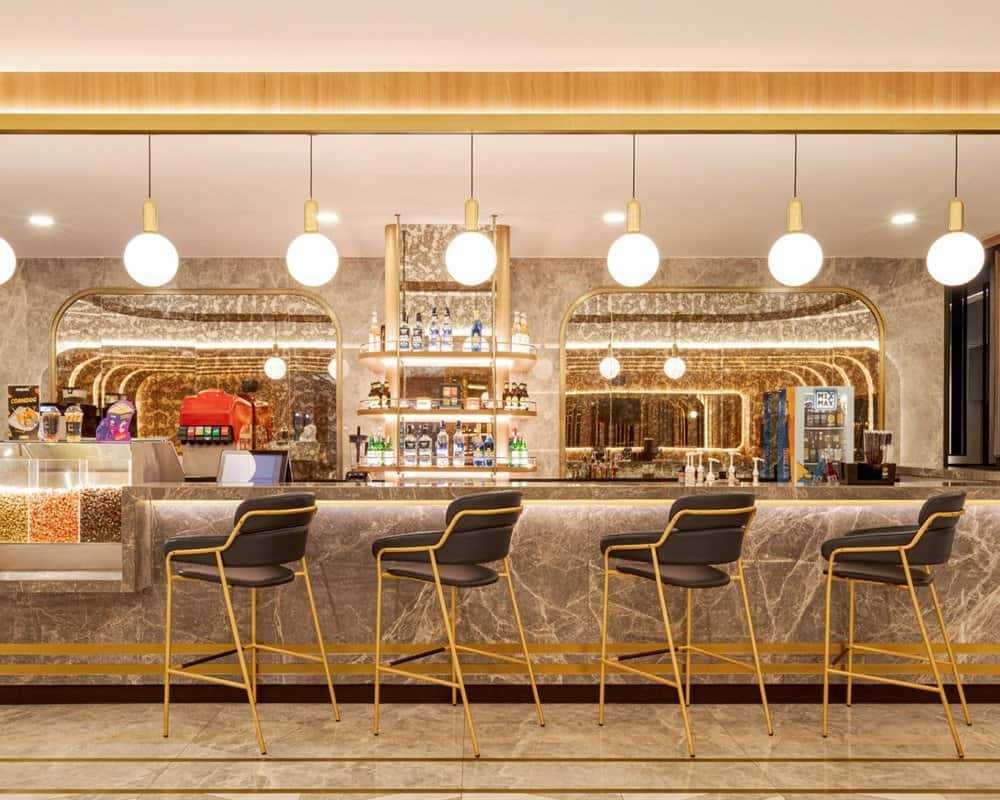
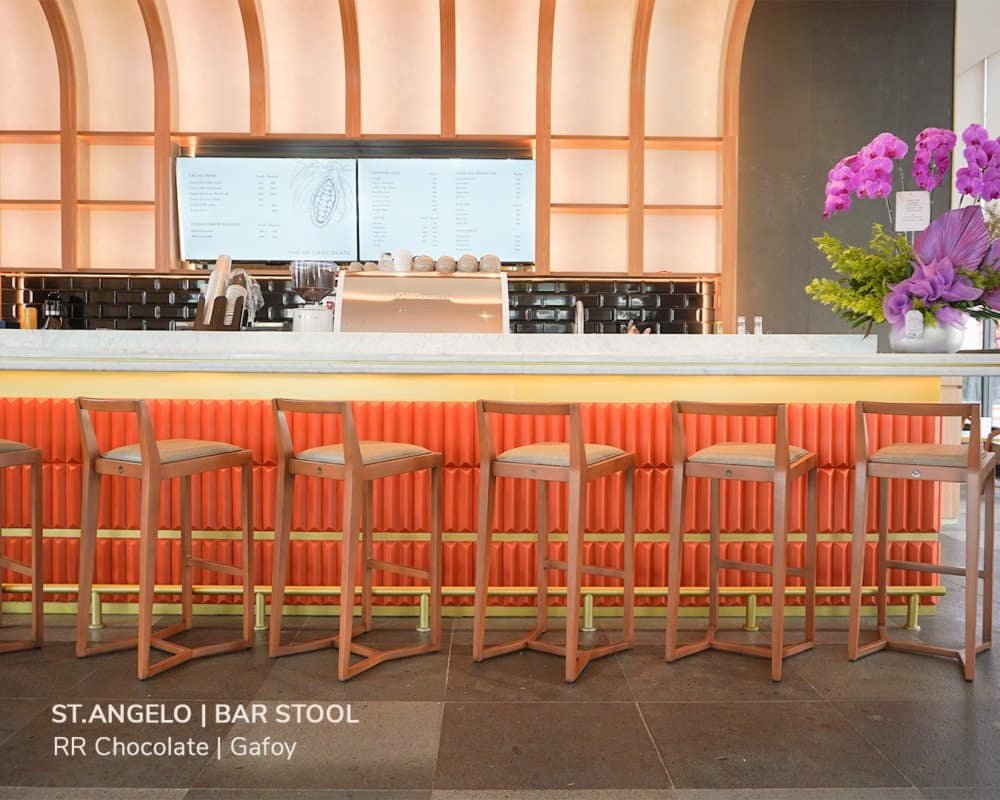
At first glance, bar stools and counter stools may look almost the same. Both are taller than regular dining chairs, both are commonly used around elevated surfaces, and both can help create a more casual, social seating area.
But in hospitality and commercial interiors, the difference matters.
For restaurants, cafés, bars, hotels, and office pantries, choosing the wrong stool height can affect more than just the look of the space. It can influence comfort, posture, circulation, and the overall experience of your guests. For interior designers and business owners, understanding the difference between bar stools and counter stools is an important step in creating a space that feels balanced, functional, and well-planned.
What Is a Bar Stool?
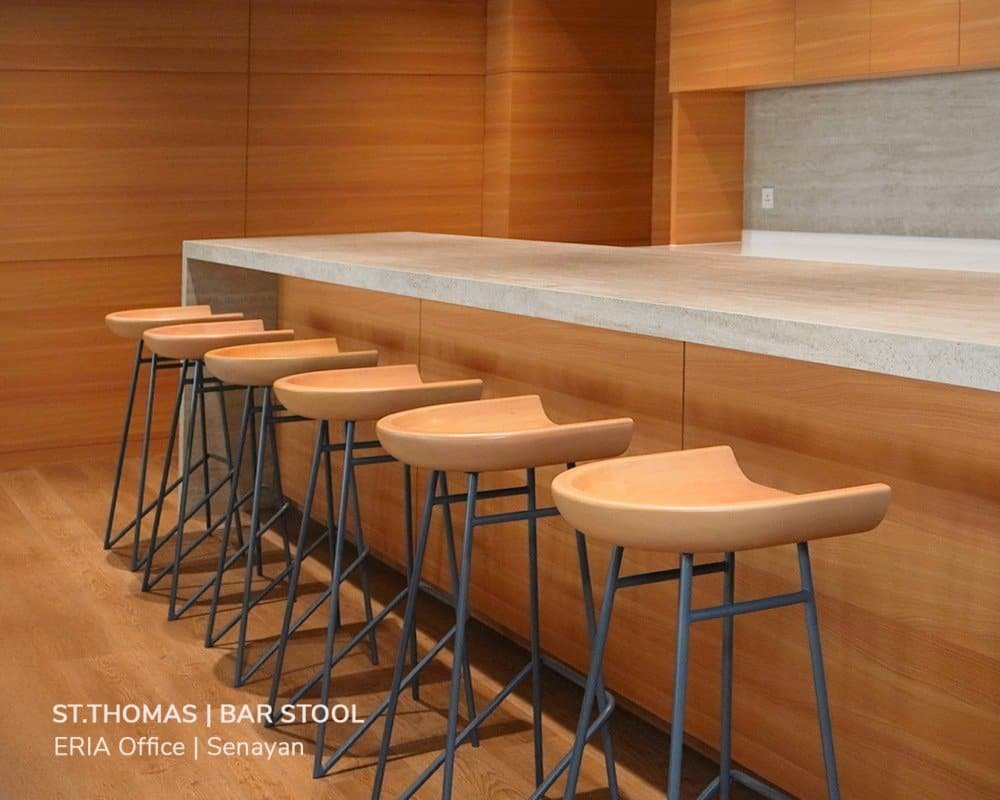
A bar stool is designed for higher surfaces, usually around 100–110 cm high. This type of stool is commonly used for bar counters, cocktail areas, high communal tables, and hospitality spaces where the seating experience is more elevated and casual.
In general, bar stools have a seat height of around 75–80 cm. This allows enough distance between the seat and tabletop, so guests can sit comfortably without feeling too low or too close to the counter surface.
Bar stools are often found in:
- Restaurants with dedicated bar areas
- Cocktail bars and lounges
- Hotel lobby bars
- High communal tables
- Office breakout areas with high counters
Because they are taller, bar stools also create a different visual impression. They help define a bar area, make the space feel more social, and add a sense of height variation to the interior.
What Is a Counter Stool?
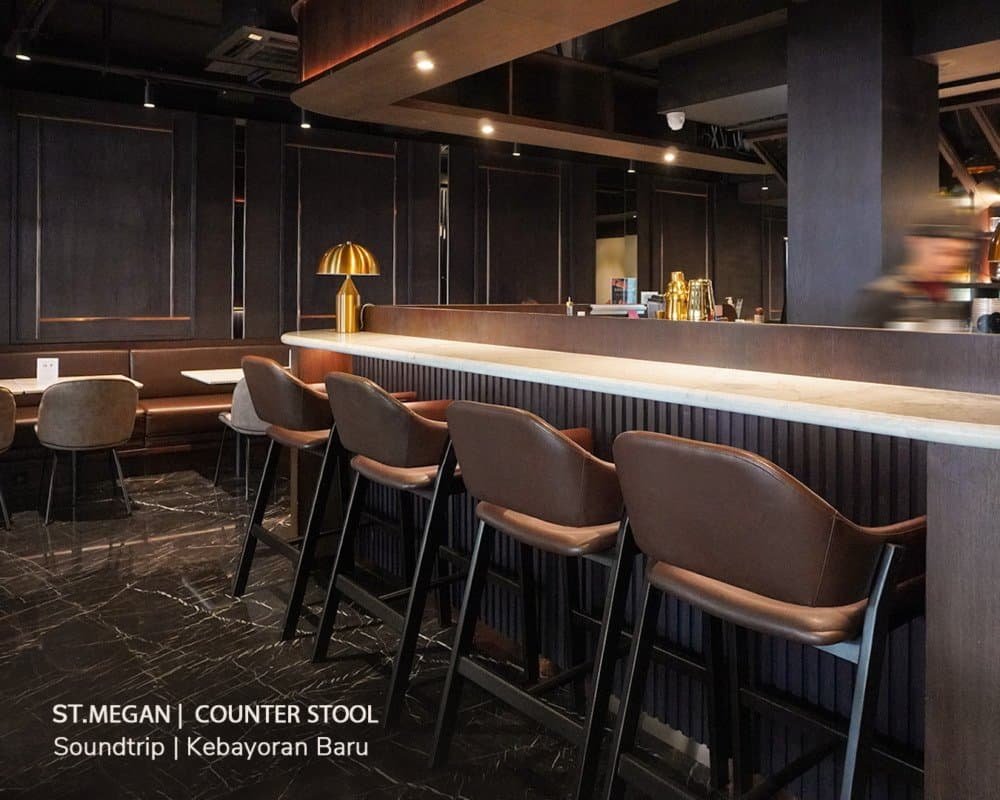
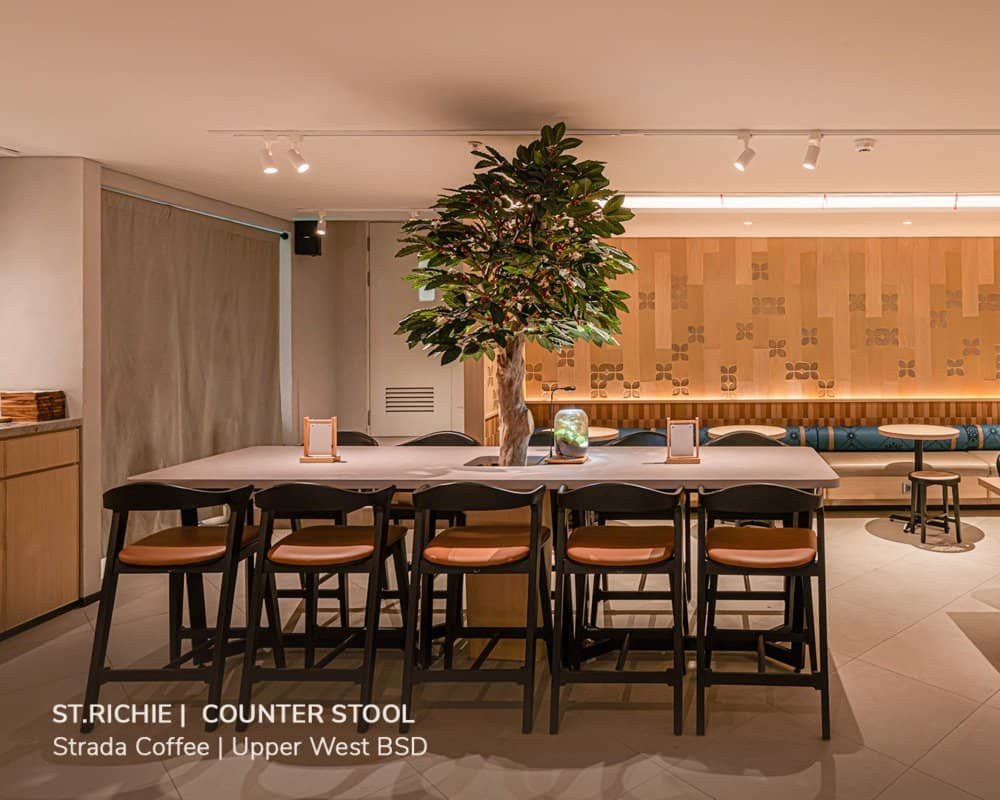
Counter stools are slightly lower than bar stools. They are made for surfaces around 90 cm high, such as kitchen islands, café counters, service counters, or casual dining counters.
The ideal counter stool seat height is usually around 65–70 cm. This proportion keeps the sitting position comfortable while maintaining enough space between the seat and the counter surface.
Counter stools are commonly used in:
- Cafés with lower counter seating
- Kitchen islands
- Restaurant waiting or casual seating areas
- Office pantry counters
- Hotel breakfast areas
- Residential-inspired hospitality spaces
Compared to bar stools, counter stools often feel more relaxed and approachable. They work especially well in spaces that are designed for longer sitting moments, such as casual dining, coffee conversations, or collaborative office settings.
Why the Right Stool Height Matters in HoReCa Spaces
In restaurants, cafés, and bars, seating comfort directly affects how people experience the space. Guests may not always notice the exact height of a stool, but they will feel when something is not right.
The right stool height helps create:
- A more comfortable sitting posture
- Better balance between furniture and counter
- A smoother dining or drinking experience
- A more professional and intentional interior layout
- Better circulation and visual harmony in the space
For interior designers, stool height is also part of spatial planning. It affects sightlines, counter proportions, and how guests interact with the surrounding environment.
For business owners, it supports customer comfort, which can influence how long guests stay, how they move through the space, and how they remember the overall experience.
Find the Right Stool for Your Space with IKONS Furniture
Whether you are designing a café counter, restaurant bar, hotel lounge, or office pantry, choosing the right stool can help your space feel more complete, comfortable, and well-balanced.
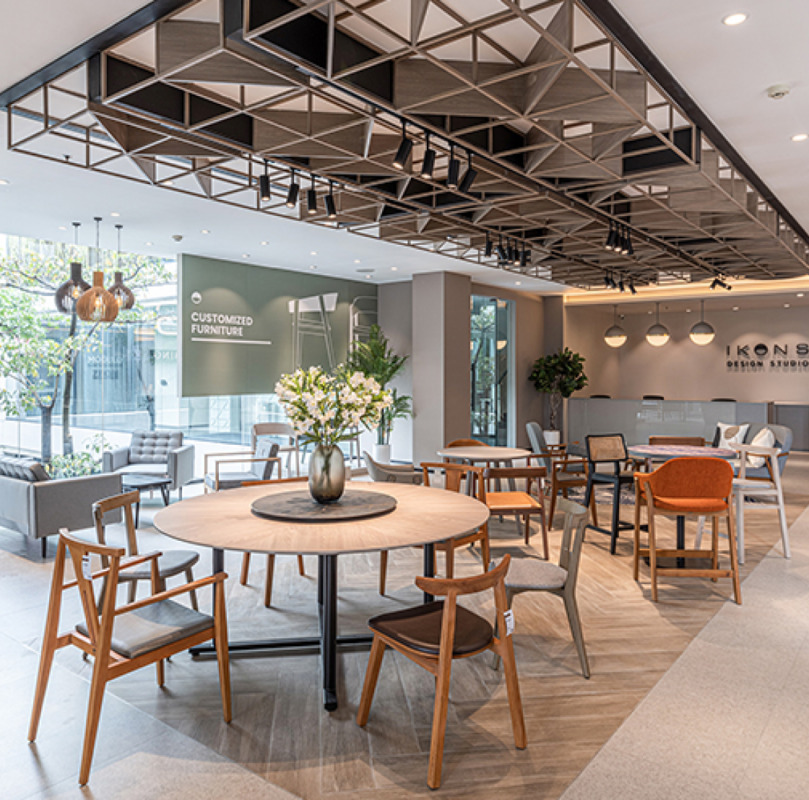
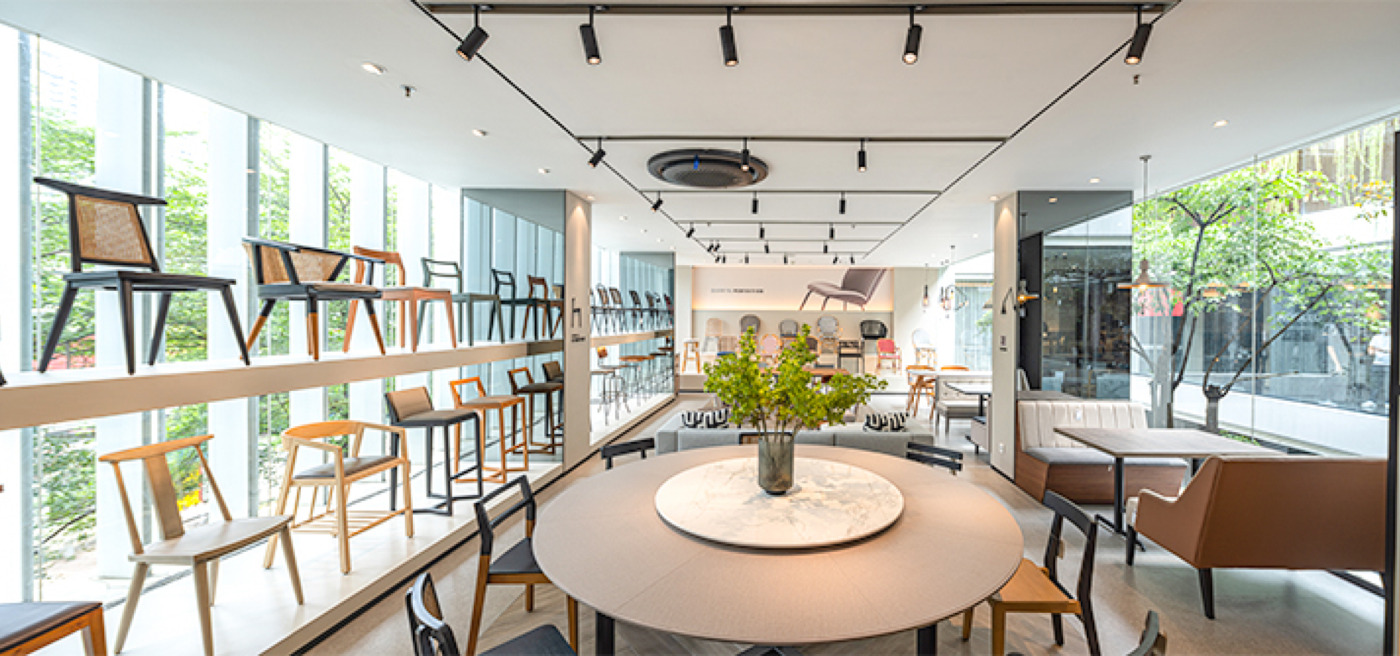
IKONS Furniture offers a wide range of stools, counter stools, and bar stools for HoReCa projects, with designs suited for restaurants, cafés, hotels, and commercial interiors. Since IKONS specializes in hospitality furniture and produces its furniture through its factory in Semarang, the brand is able to support business owners and designers with furniture solutions made for commercial use.
Visit IKONS Furniture showroom at Indonesia Design District PIK 2 to explore our stool collection and find the right fit for your project.